
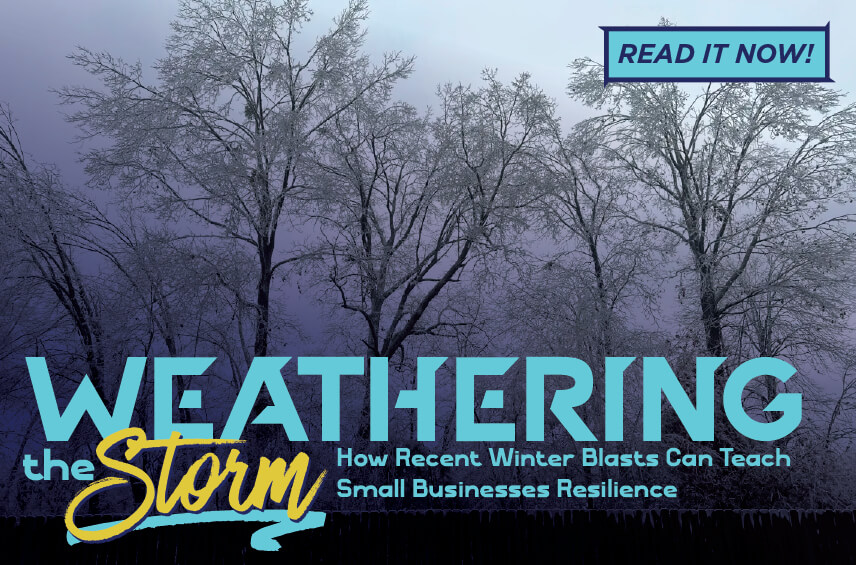
The past few days have been a stark reminder that Mother Nature doesn’t care about your quarterly reports. From icy roads to power outages, the recent winter storms have thrown a wrench into daily life for many, and small businesses have felt the impact too. But beyond the immediate disruption, these events offer valuable lessons in preparedness and resilience that can help your business not just survive, but thrive, through any future emergency.
The Immediate Aftermath: A Snapshot of Challenges
Think back to the challenges many businesses faced:
- Foot Traffic Halved (or worse): Icy conditions meant customers stayed home, impacting retail, restaurants, and service-based businesses.
- Supply Chain Snags: Delayed deliveries and inaccessible routes meant empty shelves or stalled production.
- Employee Availability: Staff struggled to get to work, leading to reduced operating hours or temporary closures.
- Infrastructure Failure: Power outages and internet disruptions brought many operations to a standstill.
These aren’t just inconveniences; for a small business, they can be existential threats. But the good news is, many of these challenges can be mitigated with a proactive approach.
Lessons Learned: Building a Resilient Business
Here are key takeaways from the recent winter weather that every small business owner should consider:
- Embrace Digital Transformation (If You Haven’t Already):
If the storm kept your physical doors closed, could your business still function? Many businesses learned the hard way that relying solely on a brick-and-mortar presence is risky.
- E-commerce & Online Services: If you sell products, an online store can keep sales flowing. If you offer services, can you shift to virtual consultations or appointments?
- Cloud-Based Operations: Ensure your critical data, software, and communication tools are accessible from anywhere. This allows you and your employees to work remotely if necessary.
- Digital Marketing: Keep your customers updated through social media, email newsletters, and your website, even if your physical location is closed.
- Diversify Your Supply Chain:
If one supplier is snowed in, do you have a backup? Relying on a single source for critical supplies can leave you vulnerable. Explore alternative suppliers, even if they’re a bit further afield, to create redundancies. This might involve building relationships with local producers for certain items, or having a plan for expedited shipping from a secondary vendor.
- Develop a Communication Plan:
How do you reach your employees and customers during an emergency?
- Employee Contact List: Keep an up-to-date list of employee contact information (phone numbers, emergency contacts) both digitally and in a physical, accessible format.
- Customer Communication Strategy: Decide how you’ll inform customers about closures, revised hours, or service disruptions. This could be through your website, social media, email, or local media outlets.
- Internal Communication Tools: Utilize platforms like Slack or Microsoft Teams for internal updates and coordination.
- Review and Update Your Emergency Kit and Procedures:
It’s not just for homes! Small businesses need emergency kits too.
- Physical Preparedness: Does your office have flashlights, first-aid supplies, and extra batteries? Do you have a plan for securing your premises against damage?
- Data Backup: Regularly back up all critical business data off-site or in the cloud.
- Financial Reserves: Build a financial cushion to cover expenses during periods of disruption.
- Insurance Review: Understand what your business insurance covers in case of weather-related damage or business interruption.
- Foster a Culture of Adaptability:
Perhaps the most crucial lesson is the need for flexibility. Encourage your team to think creatively about solutions during challenging times. Can roles be temporarily shifted? Can certain tasks be postponed? A team that can adapt quickly is a team that can overcome unexpected hurdles.
Don’t Wait for the Next Storm
The recent winter weather serves as a powerful, albeit inconvenient, reminder that emergencies are inevitable. By taking the time now to assess your vulnerabilities and implement these strategies, your small business can build the resilience needed to weather any storm, literal or metaphorical, that comes your way.