At Vitality South, one of the culture points we hold closest to our chest is the commitment to “Learn and Grow Together”.
If you look around the corporate world, you will see a lot of companies that encourage learning. They might pay for a seminar, buy an online course, or encourage employees to read industry books. But often, that is where the process stops. An employee learns something new, applies it to their own desk, and moves on to the next task. The knowledge gets trapped in a silo.
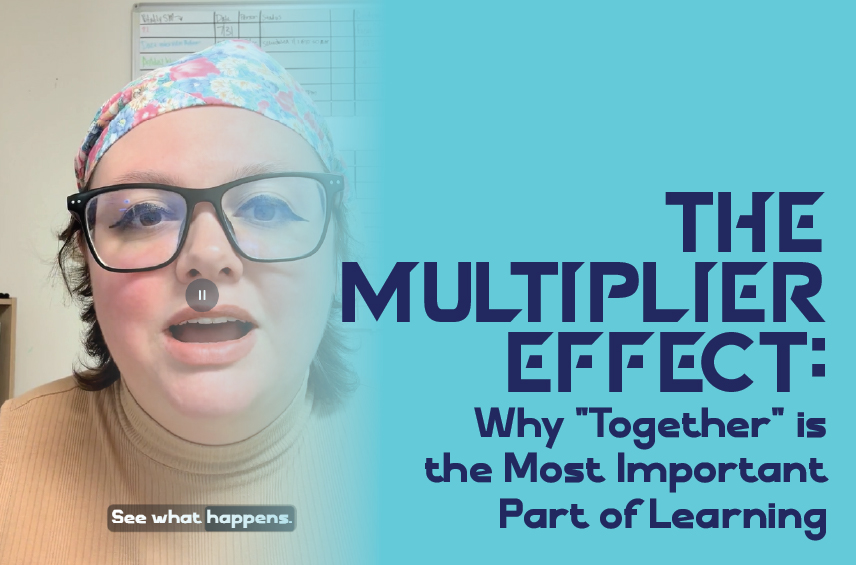
As Dacey points out in our latest weekly check-in, that isn’t how we operate. Learning is one of the biggest parts of our culture, but the most crucial word in our core value isn’t learn—it’s together.
The Power of the Share
We love seeing our team members grow, learn, and flourish. But we don’t just learn one thing and independently move on. When a team member discovers a new technique, figures out a new software shortcut, or gleans an insight from a recent campaign, they share what they’ve learned with the rest of the team.
Why is this so important? Because sharing what we’ve learned ensures that each and every one of us can be the best that we can be.
It transforms individual growth into a multiplier effect. It’s not just about bettering ourselves individually; it’s about bettering ourselves as a whole. When you are working with a group of people, you want that entire team to be able to serve one another and work well together. You can’t do that if everyone is hoarding their own expertise.
The Vitality Challenge
A team that learns together, scales together. So, we want to issue the same challenge to you that Dacey issued to our team:
Take a look at your own workplace this week. What are you learning? More importantly, are you sharing it with your team?
If you aren’t, try it. Start a Slack channel dedicated to industry news, take five minutes at the top of your next meeting to share a recent “Aha!” moment, or just pull a coworker aside and show them a new trick.
Step out of the silo, share the wealth, and see what happens when knowledge is shared instead of stored.